Welcome: Jiangsu Hongjing Metal technology Co.,Ltd







yolanda@hongjingmetal.com +86-15358997067
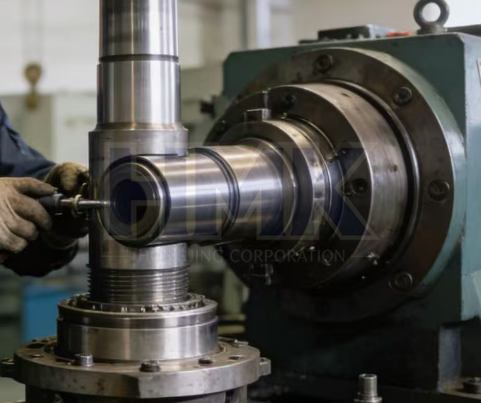
Bearings are core rotating parts for motors, conveyors, pumps and automation machinery. Most unplanned production stops stem from ignored bearing minor faults.
We’re a professional bearing manufacturer, and this concise daily checklist helps your maintenance team spot risks early, cut repair costs and maximize the lifespan of our wear-resistant, high-precision bearings.
Daily inspection can discover hidden bearing faults in advance.
Key inspection items include operating temperature, running noise, vibration value, sealing condition and lubrication status. Record daily data to track bearing aging trend.
Timely minor maintenance through daily inspection can avoid major equipment failure and long-time shutdown.
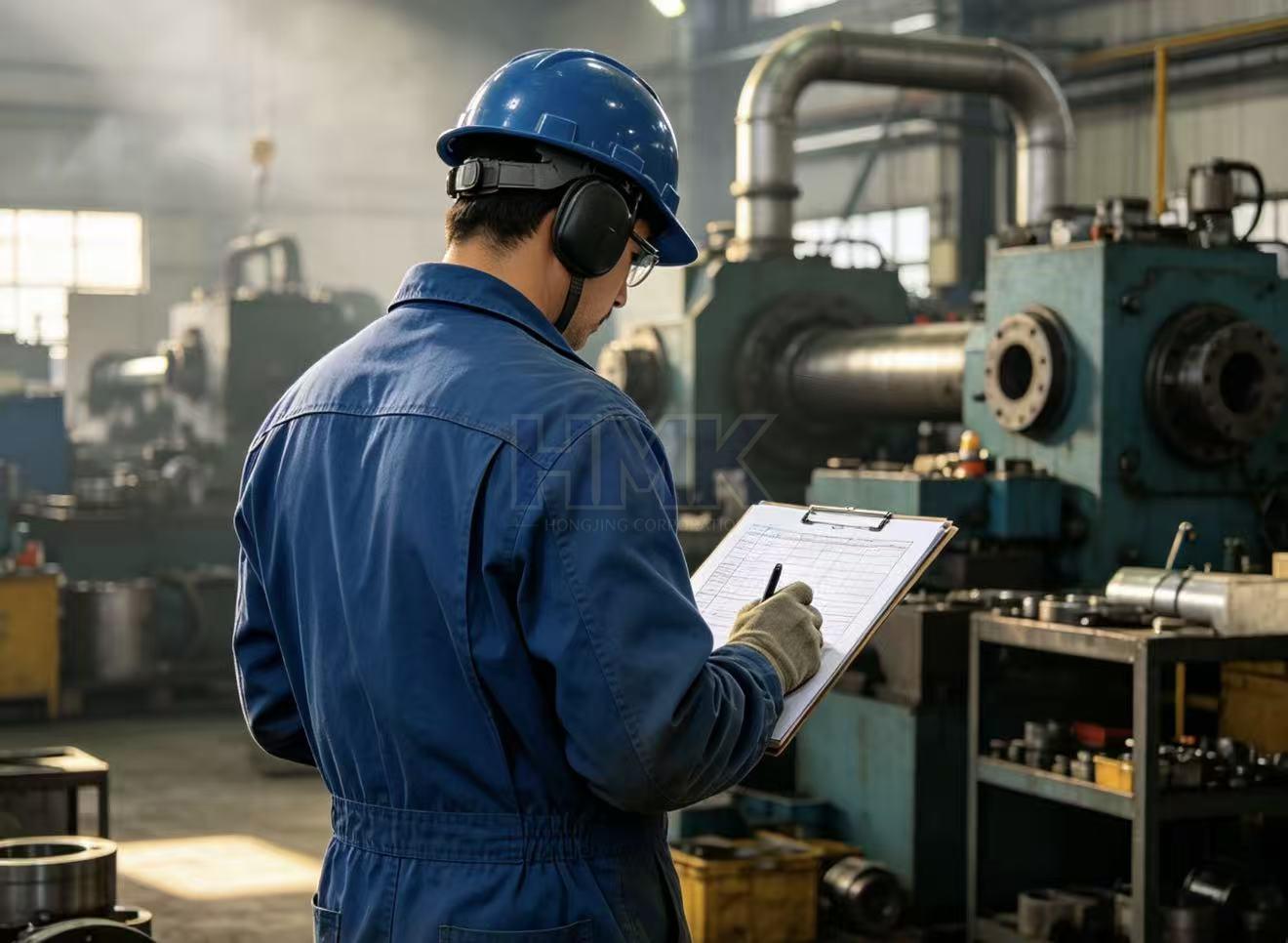
Why Daily Bearing Checks Matter
1. Catch early wear, overheating and lubrication issues before severe breakdowns
2. Lower frequent bearing replacement & labor maintenance expenses
3. Keep equipment stable, reduce energy loss and secure continuous production
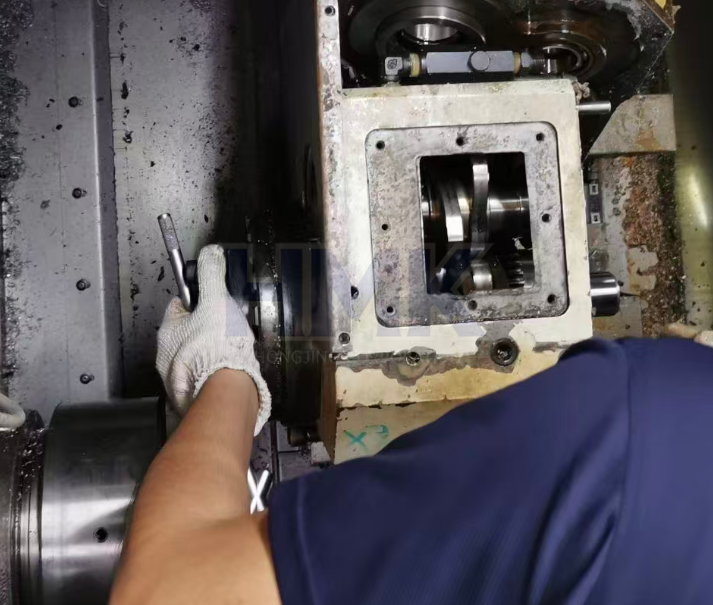
Daily Inspection Checklist for Running Equipment Bearings
1. Noise Check
Normal: Smooth, soft rolling sound.
Abnormal: Squeaks, grinding or clicking noises → caused by poor lubrication, dirt or rolling element damage.
Tip: Use a stethoscope; halt equipment instantly if odd noise appears.
2. Vibration Check
Normal: Mild, steady vibration within standard limits.
Abnormal: Severe shaking → misalignment, loose fitting or worn bearing cages.
Tip: Daily check shaft & housing matching tightness.
3. Temperature Check
Normal: 40–60°C for standard bearings; our heat-resistant models sustain over 180°C.
Abnormal: Constant over 70°C → too much/little grease, bad heat dissipation or overload.
Tip: Monitor with thermometer; shut down to cool and troubleshoot when overheating.
4. Lubrication & Seal Check
80% premature bearing failures come from bad lubrication.
• Grease amount: Moderate filling only
• Grease condition: Replace if blackened, emulsified or mixed with impurities
• Seals: Check oil leaks, cracked/aged seal rings to block dust and moisture
5. Visual Wear Check (During shutdown)
Inspect inner/outer rings and rolling parts for rust, scratches, peeling or pits. Replace damaged bearings timely to avoid shaft damage.
Closing Tip
Stick to this daily inspection routine to minimize unexpected shutdowns.
If you need durable custom bearings for your machinery, contact our team for professional solutions.
Contact: Yolanda
Phone: +86-15358997067
E-mail: yolanda@hongjingmetal.com
Add: No.88, Qianyao Road, Binhu District, Wuxi, China
LiveChatclose
 Send Email
 Skype
Skype WhatsApp