Welcome: Jiangsu Hongjing Metal technology Co.,Ltd







yolanda@hongjingmetal.com +86-15358997067
Used bearings often produce surface rust and oxide layers after long-term operation.
Professional cleaning tools and anti-rust agents can remove slight rust without damaging bearing precision.
After cleaning, re-lubricate and seal the bearings for reuse.
Scientific rust removal and anti-corrosion maintenance improve bearing reuse rate and reduce industrial operating costs.
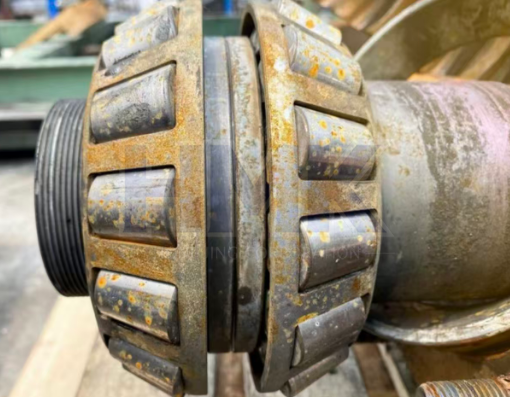
Used bearings removed from machinery often carry residual grease, metal debris, and surface rust spots caused by moisture, humidity, acid gas or poor sealing during operation. Minor corrosion will amplify noise, accelerate wear and drastically shorten service life. Standardized rust removal and anti-corrosion maintenance can restore bearing running performance and extend reusable cycles for industrial, construction and agricultural equipment.
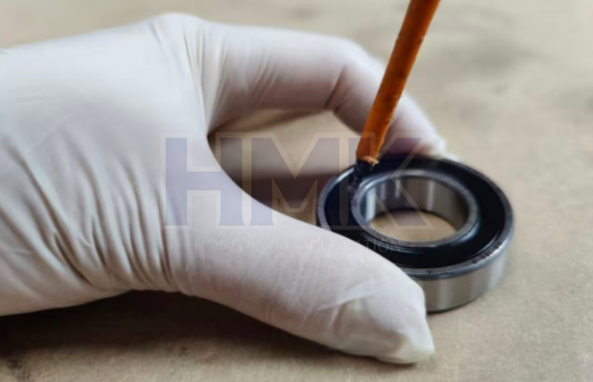
1. Pre-Cleaning: Remove Oil & Impurities First
Before rust treatment, eliminate old grease, dust and metal chips thoroughly to avoid sealing rust residue inside raceways:
Soak bearings in filtered kerosene or light industrial cleaning oil for 5–10 minutes; rotate inner rings repeatedly to dissolve aged lubricants.
For heavy sludge, adopt ultrasonic cleaning with neutral degreaser at 50–60℃.
Blow dry completely with low-pressure clean air; never leave water droplets on rolling surfaces.
2. Safe Rust Removal Solutions for Used Bearings
Classify rust levels and choose matched treatment to avoid scratching raceways and steel balls:
Light Surface Rust (faint yellow spots)
• Polish gently with 1200–2000 mesh metallographic sandpaper or fine oil stone, only wipe rust areas instead of full grinding.
• Wipe residual oxide powder with clean lint-free cloth.
Moderate Pitting Rust
• Apply neutral bearing-specific rust remover for short soaking (3–8 mins). Add corrosion inhibitor to prevent over-etching base steel.
• Rinse twice with clean oil to neutralize chemical residues.
Severe Deep Corrosion
Bearings with deep pitting on raceways or flaking rolling elements cannot be fully repaired. Direct replacement is recommended to avoid equipment failure risks.
3. Post-Cleaning Anti-Corrosion Maintenance (Core Step)
Once rust is cleared, form a uniform protective barrier against moisture and oxidation:
1. Short-term standby (≤30 days)
Dip bearings in thin anti-rust oil, rotate fully to cover all contact surfaces, drain excess oil and wrap with VCI anti-rust paper.
Long-term storage (1–12 months)
Fill raceways with anti-corrosion EP grease with rust inhibitors; seal both sides with plastic caps. Place desiccant inside sealed PE bags to control humidity below 60% RH.
Reinstallation anti-rust protection
Select water-resistant sealed bearings for wet, coastal or chemical workshops. Refill anti-rust grease every 3–6 months during equipment operation.
4. Daily Anti-Corrosion Tips to Avoid Re-Rusting
Do not touch bearing surfaces with bare hands; sweat salt triggers flash rust rapidly. Wear nitrile gloves during handling.
Store used bearings in dry, ventilated warehouses, away from rain, seawater mist and acidic raw materials.
Regular inspection every 2 months for stocked bearings; reapply anti-rust coating if packaging breaks.
Avoid leaving disassembled bearings exposed to open air for over 2 hours after cleaning.
Conclusion
Rust is the top hidden danger cutting short used bearing lifespan. Complete degreasing, graded rust removal and standardized anti-corrosion coating keep bearings smooth-running and reusable. For harsh working conditions, stainless steel or coated anti-corrosion bearings are cost-effective upgrades to lower frequent maintenance costs.
CLICK HERE FOR MORE PROFESSIONAL GUIDANCE ON BEARINGS
Contact: Yolanda
Phone: +86-15358997067
E-mail: yolanda@hongjingmetal.com
Add: No.88, Qianyao Road, Binhu District, Wuxi, China
LiveChatclose
 Send Email
 Skype
Skype WhatsApp