Welcome: Jiangsu Hongjing Metal technology Co.,Ltd







yolanda@hongjingmetal.com +86-15358997067
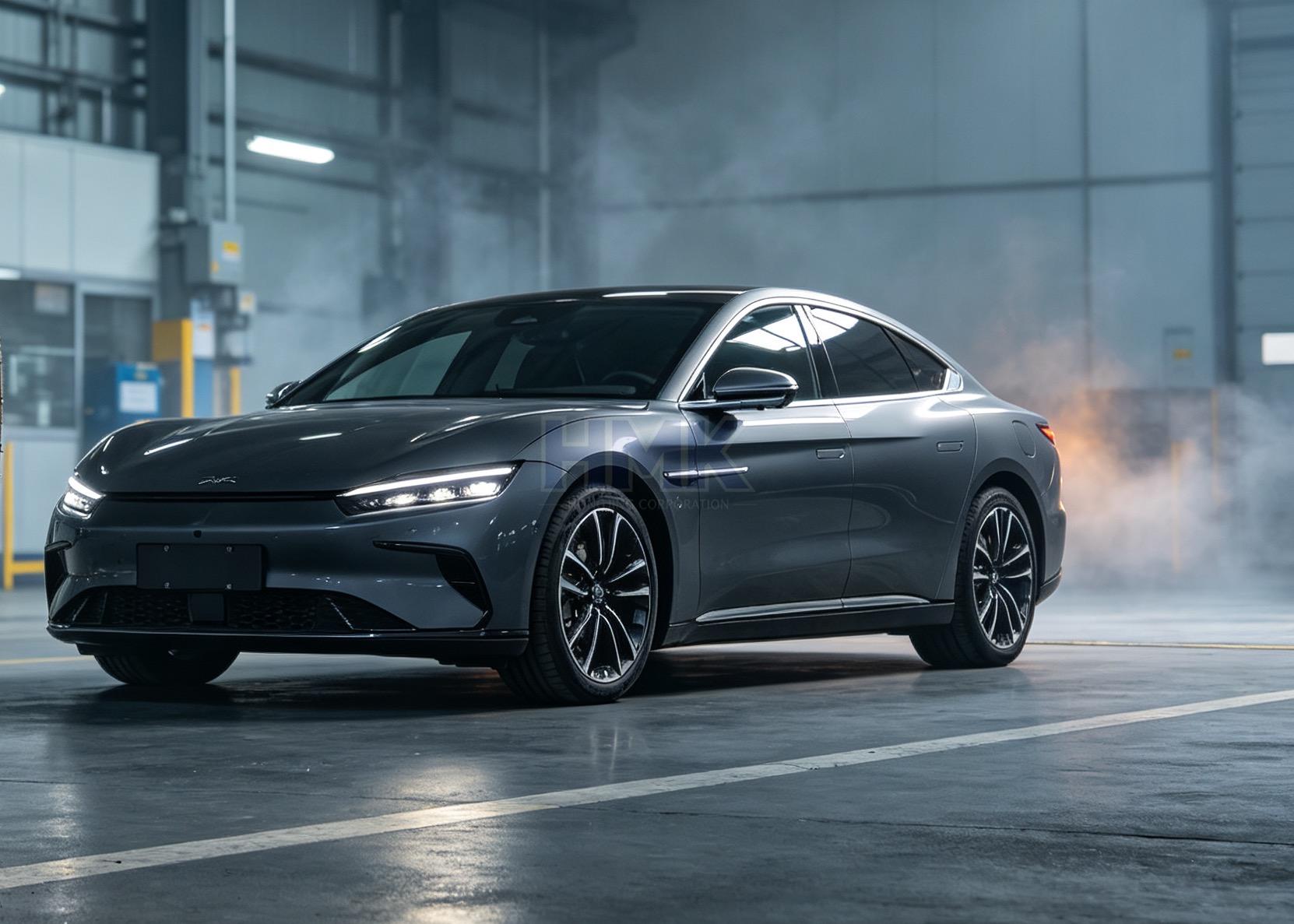
Automotive bearing overheating is one of the most frequent faults in passenger and commercial vehicle systems. Wheel hub bearings, transmission bearings, engine and clutch bearings bear continuous dynamic loads under varying speed and temperature conditions.
Overheating will trigger premature wear, raceway cracking, noise, and sudden vehicle breakdown. Many auto aftermarket buyers and OEM engineers search for root‑cause analysis and practical improvement measures to reduce field returns and warranty costs.
Overheating is often an early warning sign before complete bearing failure. When automotive bearings run too hot, lubricant degrades rapidly. Cracks may form under overload impact and improper fitting. Uniform wear patterns indicate long‑term fatigue operation.
Without proper corrective actions, repeated bearing damage will keep occurring.
Common Root Causes of Automotive Bearing Overheating
1. Improper fitting and installation errors
Incorrect press‑fit interference, hammering during assembly, mis‑alignment of shafts and housings are very common in auto repair and production lines. Mis‑alignment creates edge loading on rolling elements. Local stress generates excess heat and can initiate raceway cracks from impact force.
2. Lubricant issues
Wrong grease type, insufficient lubricant fill, over‑greasing or contaminated grease. Water, road dust and brake‑dust contamination break down lubricant quickly. For wheel hub units, damaged seals let water and debris enter the bearing cavity, accelerating overheating and wear.
3. Excessive load and mis‑adjustment
Over‑loaded operation, incorrect preload adjustment on wheel hub bearings, or improper brake‑caliper drag. Constant brake drag creates continuous heat transfer to wheel bearings, resulting in high operating temperature. Repeated shock loads from bad road conditions lead to fatigue‑related uniform wear.
4. Damaged sealing components
Broken or damaged seals allow moisture and contaminants inside bearing assemblies. Contamination causes friction rise, overheating and progressive raceway wear. This is a frequent failure point for aftermarket replacement wheel hub bearings.
5. Operating condition abuse
Continuous high‑speed driving, heavy‑load towing, or extreme temperature environments. These conditions push automotive bearings beyond their design limits, accelerating grease degradation and fatigue wear.
Typical Failure Symptoms
• Abnormal high temperature on hub, transmission or engine housing
• Bearing noise, humming or grinding sound while driving
• Uneven wear or raceway cracks from impact and overload
• Grease leakage, seal damage, premature bearing seizure
Improvement Measures to Prevent Repeated Automotive Bearing Damage
These practical fixes help resolve recurring bearing failure for OEM production and aftermarket repair.
1. Control assembly quality strictly
Use proper press‑fit tools, avoid hammer strikes on bearing raceways. Verify shaft and housing dimensional tolerance, ensure correct interference fit. Check alignment to eliminate edge‑loading stress.
2. Optimize lubrication and seal protection
Select automotive‑grade high‑temperature grease. Do not over‑pack grease. Inspect seal integrity during installation. Replace damaged seals immediately to block water and road contaminants.
3. Correct preload and brake‑system adjustment
Set wheel‑hub‑bearing preload to factory specification. Check brake‑caliper function to eliminate brake drag, which is a major source of heat to wheel bearings. Avoid continuous overload towing beyond vehicle rating.
4. Select correct bearing model for application
Match bearing specification to vehicle working conditions. For heavy‑duty commercial vehicles, choose heavy‑load‑rated automotive bearings instead of standard passenger‑car units.
5. Monitor operating condition
Regular inspection for temperature, noise and seal condition. Avoid continuous extreme‑load operation. Replace bearings at early warning signs to avoid sudden seizure on‑road.
Summary
Most automotive bearing overheating and damage are not purely material‑quality issues. The majority of failures come from improper fitting, seal damage, lubricant degradation, brake drag or mis‑adjusted preload. Applying these improvement measures can effectively solve repeated bearing damage, reduce warranty return rates, improve vehicle reliability and cut long‑term replacement costs.
If you need custom automotive bearing solutions for OEM or aftermarket projects, our technical team can support your requirement.
If you still have these following questions, don't hesitate to contact us
1. Why does my car wheel hub bearing overheat?
2. What causes automotive bearing raceway cracking?
3. How to fix overheating wheel hub bearing?
4. What causes premature wear on automotive transmission bearings?
5. Is brake drag causing my bearing to get hot?
Contact: Yolanda
Phone: +86-15358997067
E-mail: yolanda@hongjingmetal.com
Add: No.88, Qianyao Road, Binhu District, Wuxi, China
LiveChatclose
 Send Email
 Skype
Skype WhatsApp